
Episode 427
Joe's Harley-Davidson WLA was running well before its trip to Race the Waves at Bridlington. Afterwards, the kickstart had become stiff and the charging system was no longer doing its job. This week in the RiE-Store workshop, the effects of a beach outing lead to repairs and a closer look at a new magneto ignition system.
The initial problems have a rather unglamorous explanation: sand, salt water and rust. Cleaning up the kickstart has restored its movement. Ash has also rebuilt the charging relay and reports that the system is now putting around seven volts back into the battery when the engine is revved.
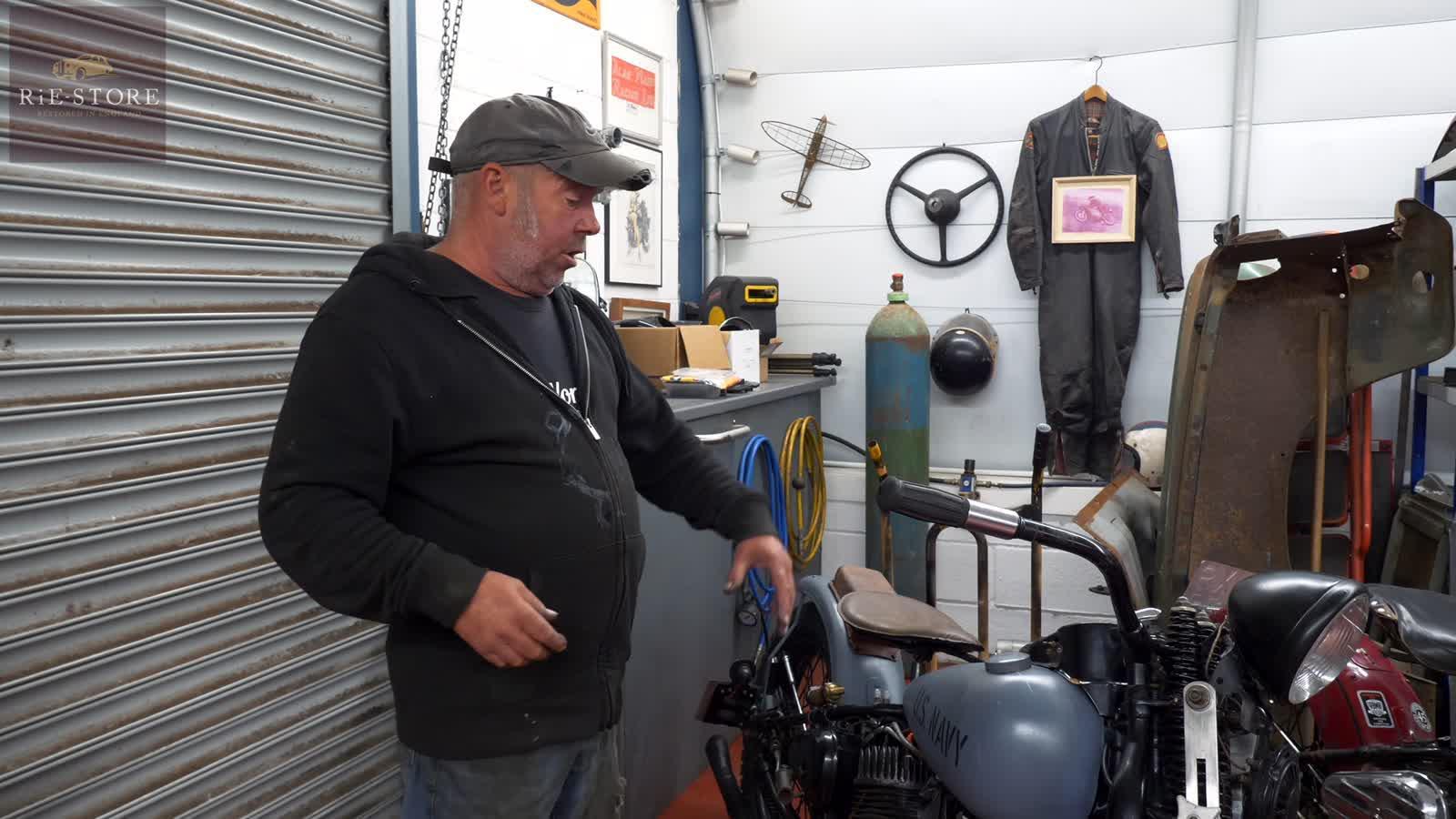
That addresses the charging fault, but Joe has decided to make another change. He has bought a new magneto, allowing the ignition to operate independently of the battery. It is an understandable attraction after a ride ended with a flat battery and an engine that stopped.
The distinction between ignition and lighting remains important. With the magneto providing the spark, the engine will no longer depend on the battery to keep running. The charging system still has a job to do, supplying the bike's lights. Repairing it remains part of getting the WLA back into useful order.
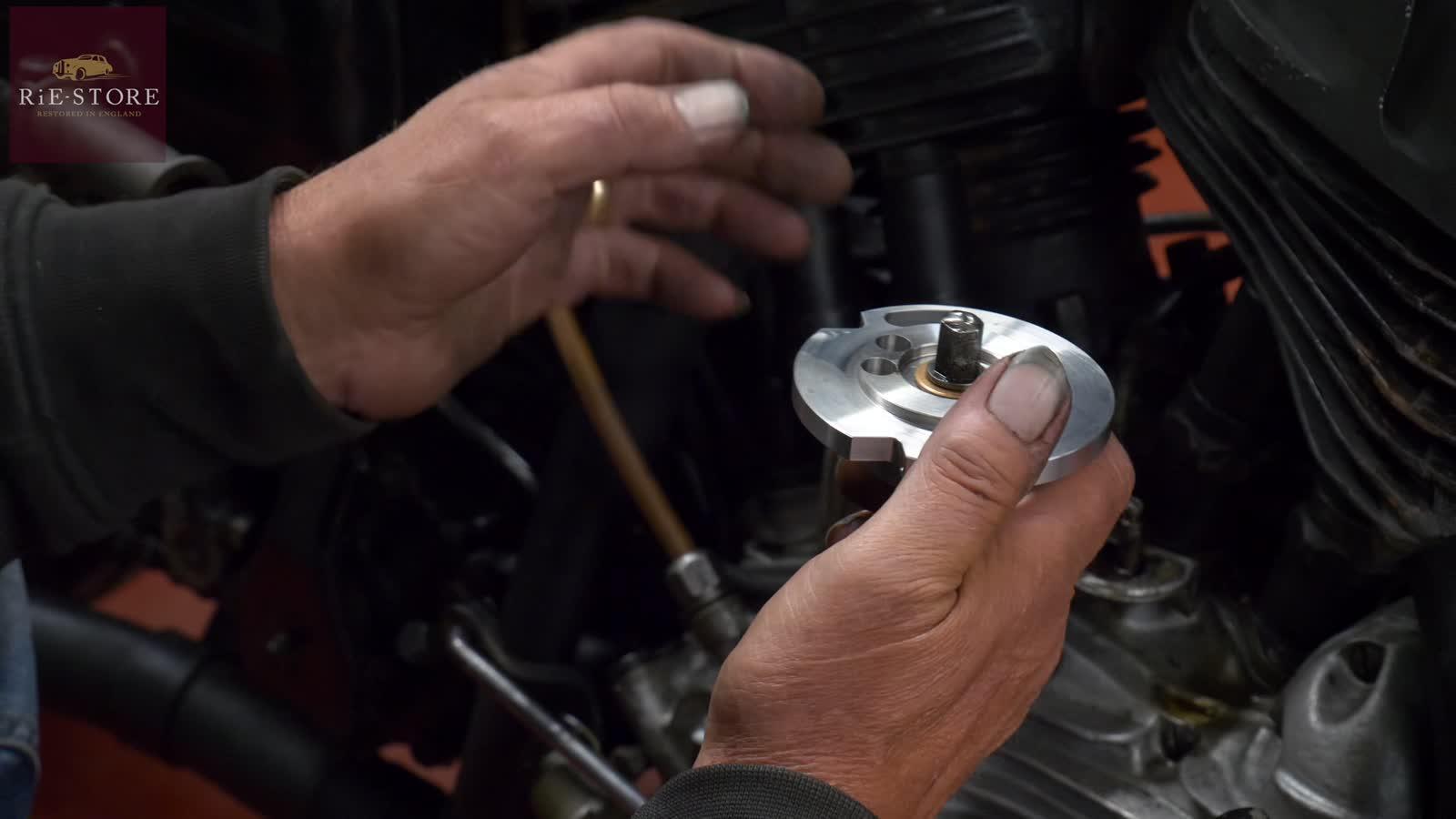
At the bench, Ash opens the new components and explains how they fit together. The replacement drive takes the place of the existing timing-head assembly, connecting the engine to the magneto. Spring-loaded adjustment screws provide a means of setting its position for timing. The discussion follows the drive from the bike to the new unit, making the arrangement easier to understand before fitting begins.
The first instruction is already printed on the box: the magneto must not be spun without its spark plugs and leads connected and grounded, because the coil can be damaged. It is a reminder that a brand-new component still needs to be handled according to its instructions.
With the cover removed, we get a closer view of the points, pickup contacts and small springs. Ash explains the different cam lobes associated with the front and rear cylinders, and how the points opening relates to the timing adjustment. He also demonstrates the stop button, which ends the spark by grounding the ignition circuit.
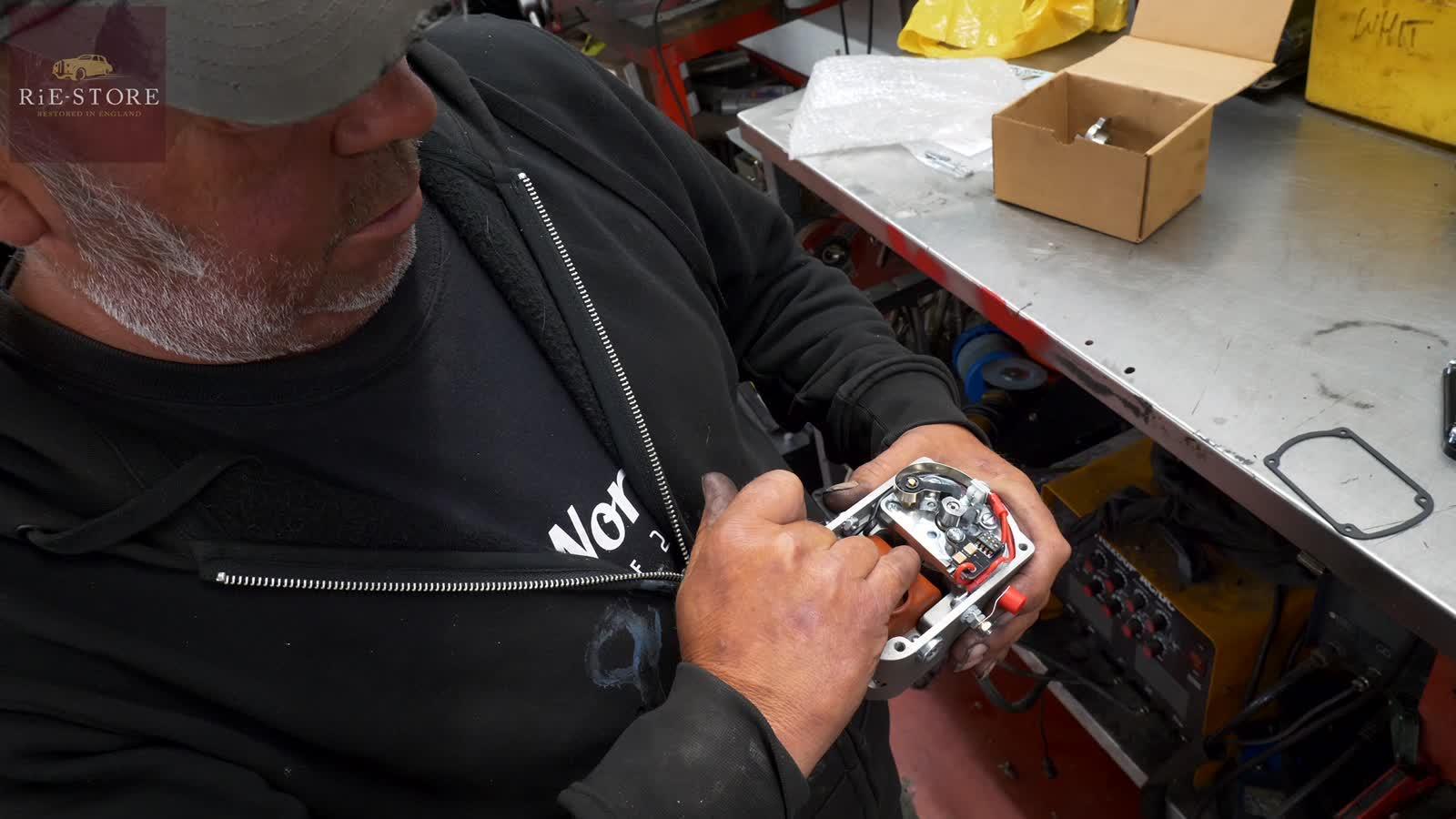
There is a selectable condenser arrangement inside this unit too. Ash leaves it as supplied, while pointing out the options built into it. The emphasis is on understanding the equipment Joe has bought and preparing it for installation.
The conversation then turns to the choice itself. Ash is pleased Joe has bought a new magneto, recalling the frustration of trying to start older machines with unreliable units. A used magneto's condition can be difficult to judge, and specialist rebuilding can add substantially to its purchase price.
Independence from the battery has its appeal, but the magneto brings its own repair considerations. Ash contrasts familiar battery-and-points faults with a failed magneto that may require specialist attention. It is a choice with practical consequences as well as visual appeal.
We finish with the original faults addressed and the new ignition components examined, ready for the next stage of fitting and timing. The beach has left its mark on the WLA, but there is now a clear way forward: a working charging system for the lights and a new source of spark for the engine.