
Episode 424 · Every Detail Counts
There is a difference between an engine that starts and one that runs properly. This week in the RiE-Store workshop, that difference takes us inside a classic motorcycle, where several small assembly errors begin to explain a much larger problem.
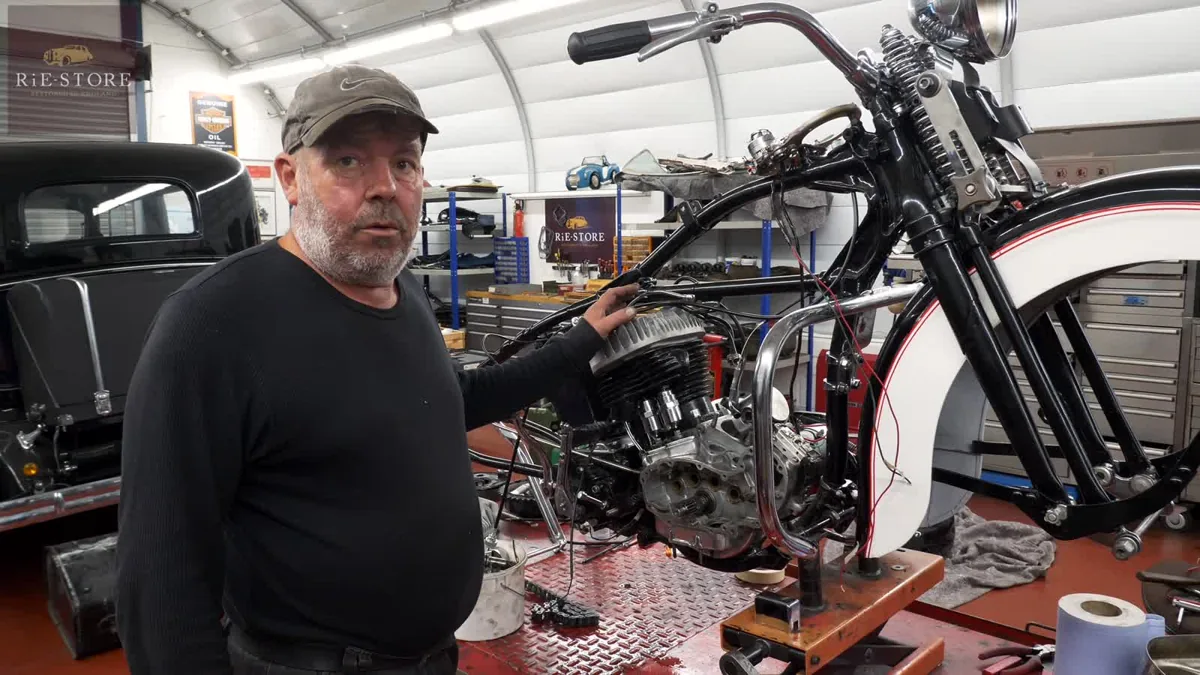
The front forks have already been attended to, and the rear wheel stripped to establish which parts we need. Now we turn to the engine. We have been told it starts, but will not run as it should. With the timing chest open, the investigation begins.
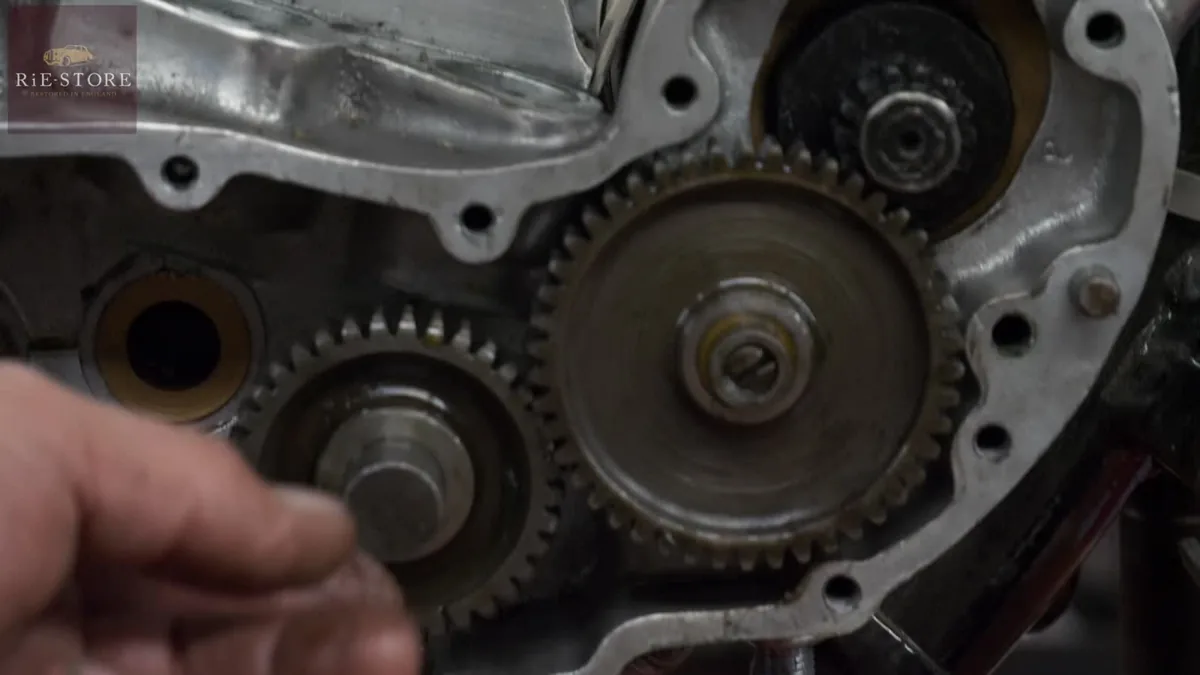
The timing has been set to the rear cylinder, 180 degrees out. The breather timing is incorrect, too, and components that should float against spring pressure have been fitted solid. An oil strainer is missing. Then we find an idler gear installed back to front, leaving it with only partial engagement.
Seen close up, the gear makes the point particularly clearly: turn it the right way round and it sits where it should, with full contact. Each detail has a job to do, and each depends on the assembly being right.
The front tappet roller presents another puzzle. Installed, it will not turn freely; removed, it rotates as it should. Something appears to be pinching it as the assembly is secured. The exact cause still needs checking, which means working through the fit carefully with the barrel off.
That inspection brings some encouraging news. The barrels appear to be new, as described, and are in very good condition. There is no suggestion here that the major components are worn out. As the workshop conversation puts it, these engines are basic, but quirky. Familiarity with those quirks matters.
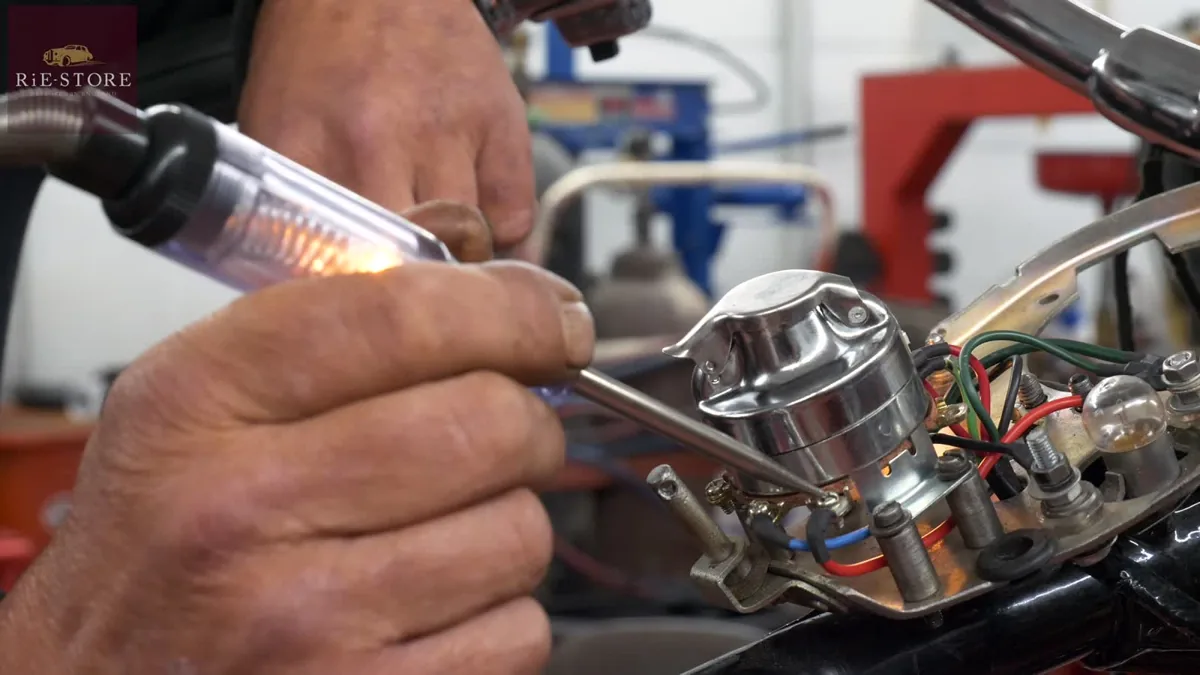
The same patient approach carries through to the electrics. Surplus wiring has been removed and the previously unconnected relay wired in. Around two hours have gone into rebuilding the system, followed by checks of the ignition, warning lights, brake-light circuit and lighting feeds.
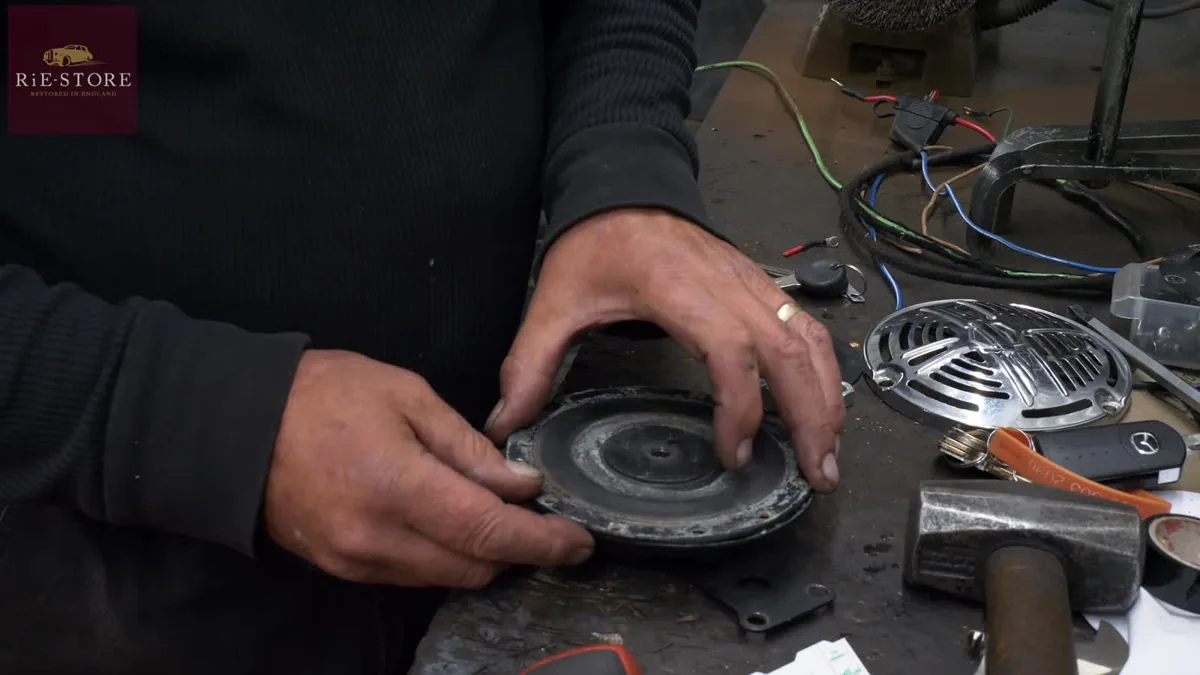
At the bench, the horn provides one more example of a small part making a big difference. A bolt has been fitted where an adjustable component should be. Without that adjustment, the mechanism cannot be set to make the repeated movement that produces the sound. A replacement adjuster needs to be made and carefully set before the horn can work properly.
By the end of the episode, the parts list is compiled and the required items are ordered. The horn rebuild and headlamp connection remain to be finished; the rear lights must wait until the rear mudguard is back in place.
We finish with a clearer understanding of the motorcycle and a defined list of jobs ahead. This week's progress is in finding what is wrong and establishing how to put it right. The parts may be good, but getting them to work together depends on every detail.
Subscribe to the Workshop Companion for weekly episode stories and occasional guide news. Signup opens on Kit; confirm your email to subscribe.